
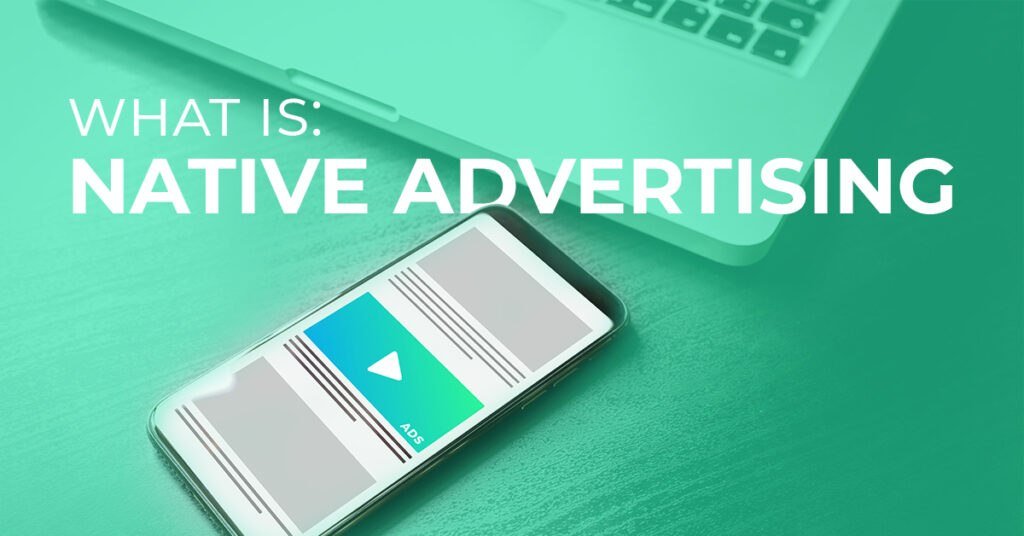
Let’s begin with the basics by defining native advertising in the way we at NAI see it : “Native Advertising is paid content that matches the look, feel, and function of the media in which it appears.”
Let’s unwrap that a bit:
Unlike traditional ads, native ads are designed to blend seamlessly into the content around them, providing a non-disruptive experience for the user. They “fit in” with the platform’s editorial content, offering a more organic experience that doesn’t interrupt the user’s journey. Native advertising is powerful because it respects the user’s experience.
Key Characteristics of Native Advertising :
Seamless Integration: Native ads are designed to match the look and feel of the platform where they appear. This can mean matching the visual style of a news website or social media platform, making the ad feel like part of the content stream.
Non-Intrusive: Unlike display or pop-up ads, native ads do not interrupt the user’s experience. They sit within the natural flow of the content, allowing users to engage with them in a way that feels voluntary rather than forced.
Relevant Content: Native ads are often more relevant to the user, as they are tailored to fit within the specific content that the user is consuming. This relevance increases the likelihood of engagement, as users are exposed to ads that align with their interests and needs.
Increased Engagement: Due to their seamless nature, native ads often see higher engagement rates than traditional display ads. Studies have shown that native ads generate up to 8.8 times more click-throughs than traditional banner ads.
Types of Native Advertising :
There are several types of native advertising that brands can leverage, each with its own unique advantages. Here are the most common types:
- In-Feed Ads: These ads appear directly in the content feed on platforms like Facebook, Instagram, and LinkedIn. They match the look and feel of the content around them, such as a news article or social media post, and are often labeled as “sponsored” or “promoted.”
- Sponsored Content: Sponsored content typically takes the form of articles, blog posts, videos, or infographics. These are paid-for pieces of content that appear within the editorial sections of websites and match the publication’s tone and style. Sponsored content is particularly effective for telling a brand story or providing in-depth insights on a topic.
- Search & Promoted Listings: These are paid ads that appear in search engine results or in the sidebar of a website. While they look like regular search results, they are labeled as “sponsored” or “ad,” making them clearly distinguishable from organic content.
- Content Recommendations: Often found at the end of an article or within the sidebar of a website, these are suggested links to other content that may be of interest to the reader. They are typically displayed as “related stories” or “you might like” and are designed to keep users engaged with more content.
Benefits of Native Advertising :
- Enhanced User Engagement: According to a study by Sharethrough, Native ads are 53% more likely to be viewed than traditional display ads because they blend seamlessly into the content, making them feel more organic and less intrusive to users.
- Higher Conversion Rates :Users are more inclined to take action when engaging with native content. The smooth integration of ads into the content stream increases the likelihood of users completing desired actions, such as making a purchase or signing up.
- Improved Brand Perception :Native ads build trust with users due to their relevance and subtle integration. Since they don’t disrupt the user’s experience, they help foster a more positive brand image.
How Does Native Advertising Actually Work?
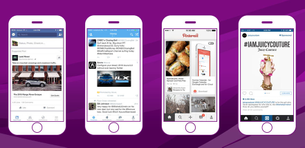
Native advertising works by delivering highly relevant content that aligns with both the user’s interests and the format of the platform it appears on.
Often, native ads utilize sophisticated targeting techniques, leveraging data-driven insights to ensure the ads are tailored to the specific needs and desires of the audience. By understanding user behaviors, preferences, and content consumption patterns, native ads are able to reach individuals with content that resonates deeply, increasing the likelihood of engagement and conversion.
One of the key factors that makes native advertising effective is its focus on targeting and contextual relevance.
Rather than simply serving an ad to a broad audience, native ads are designed to appear alongside content that already aligns with the user’s interests.
For example, if a user is reading an article about fitness, a native ad for sports equipment or health supplements will naturally fit within the content, making it more likely that the user will engage with it. This targeted approach ensures that the right message reaches the right person at the right time, which enhances the overall effectiveness of the campaign.
Another essential element of native advertising is the seamless integration. Native ads appear as part of the editorial content or social media feed, maintaining the same format and tone as the platform’s regular posts.
This integration makes the ad feel like a natural part of the user’s browsing or reading experience, reducing the chances of the user feeling interrupted or distracted. The more the ad blends in, the less likely it is to be perceived as an advertisement, which leads to better engagement.
Getting Started with Native Advertising :
Launching a native advertising campaign may seem like a complex process, but by breaking it down into manageable steps, you can set your campaign up for success.
1. Define Objectives
The first step in any campaign is to clarify your goals :
What are you trying to achieve with native advertising? Are you looking to boost brand awareness, drive website traffic, or generate leads?
By defining clear and measurable objectives, you can tailor your campaign to meet those goals. For example, if your aim is lead generation, you may focus on creating content that encourages sign-ups or downloads.
2. Select Platforms
Next, you’ll need to choose the right native advertising platforms for your campaign. The platform you select should align with your target audience and the type of content you plan to promote.
In addition to social media platforms, there are programmatic native advertising platforms like Outbrain and Taboola.
These platforms allow you to place native ads across a wide network of premium publisher sites. By leveraging programmatic technology, you can target audiences based on data insights and real-time behavior, optimizing your campaign’s reach and performance.
3. Create Compelling Content
The heart of native advertising is the content itself. Native ads must provide value to the user, whether through useful information, entertainment, or solving a problem.
The content should seamlessly fit the platform’s format and engage the audience in a way that feels natural. Remember, your native ad should feel like part of the content users are already consuming, whether it’s an article, an advertorial, video, or social media post.
The more relevant and high-quality the content, the more likely it will resonate with your audience.
4. Monitor and Optimize
Once your native ads are live, it’s crucial to measure the ads performance and make necessary adjustments. Use analytics to monitor metrics such as click-through rates, engagement, and conversions.
Based on this data, you can refine your targeting, content, and approach to improve results over time. A successful native advertising campaign is one that continuously evolves and adapts to user feedback and performance data.